
Pothole Repair
Pothole Repair
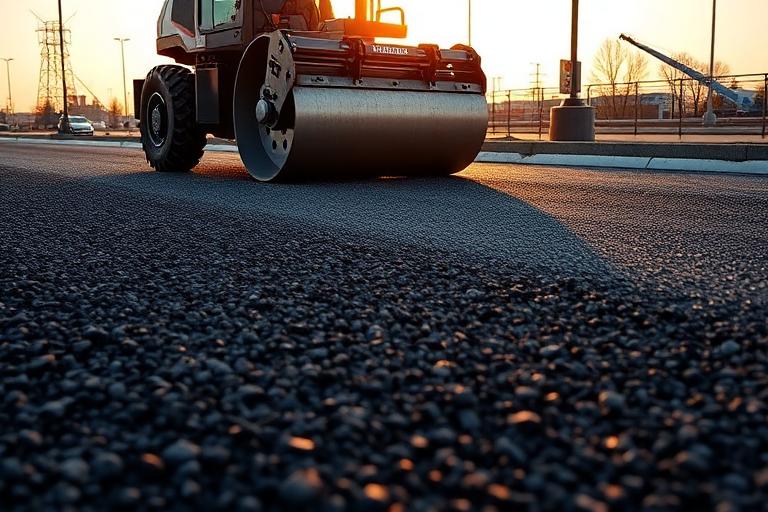
A badly done patch lasts one season. We repair potholes with hot-mix asphalt following best practice: the pothole is marked and saw-cut into a square shape down to sound material, the debris is removed and the box is cleaned and dried with air or a torch.
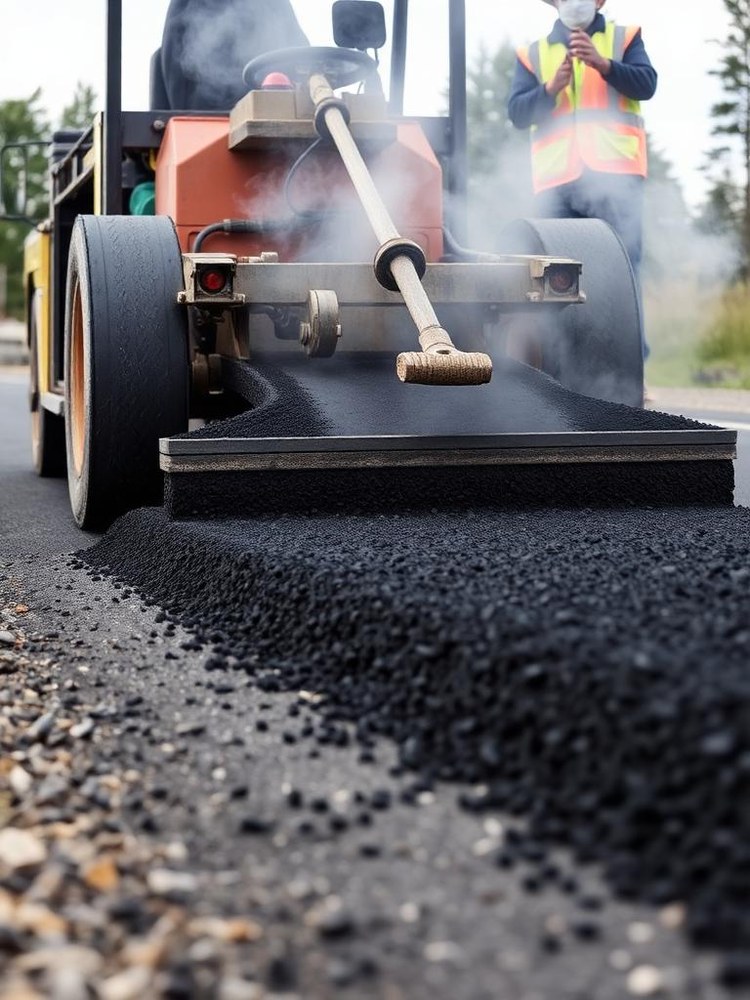
A tack coat is then applied to the bottom and the walls so the repair bonds to the existing course, hot mix is placed in layers of no more than 5 cm and each layer is compacted with a plate compactor or roller, leaving the patch slightly proud so it settles level. Finally the edges are sealed so water cannot get back in — the main reason potholes come back.
A proper patch is invisible and does not come back: clean box, tack coat, compacted layers and sealed edges.
How we apply hot asphalt
- Square cut down to sound material, debris removed and the box fully dried.
- Tack coat on base and walls; hot mix placed at 140-160 °C in 5 cm layers.
- Layer-by-layer compaction and emulsion-sealed edges to block water ingress.
Hot-work safety
Pothole repair usually happens next to live traffic with material above 140 °C, so area control and protective equipment are not optional.
- Lane or zone closed with cones, drums and visible signage
- Heat-resistant gloves, boots, long sleeves, eye protection and hi-vis vests
- Safe distance at discharge and controlled handling of hot tools
- Section released only once the patch has cooled and is marked
Frequently asked questions
Most potholes are cut, filled and compacted the same day; on large surfaces we work zone by zone so access is never fully closed.
Almost always water: if the box is not dried, the edge is not sealed or the base is damaged, the patch debonds. That is why we cut to sound material and seal the perimeter.
When potholes keep returning in the same area or the damage reaches the base, milling and resurfacing is cheaper than repairing every season.